
Resources
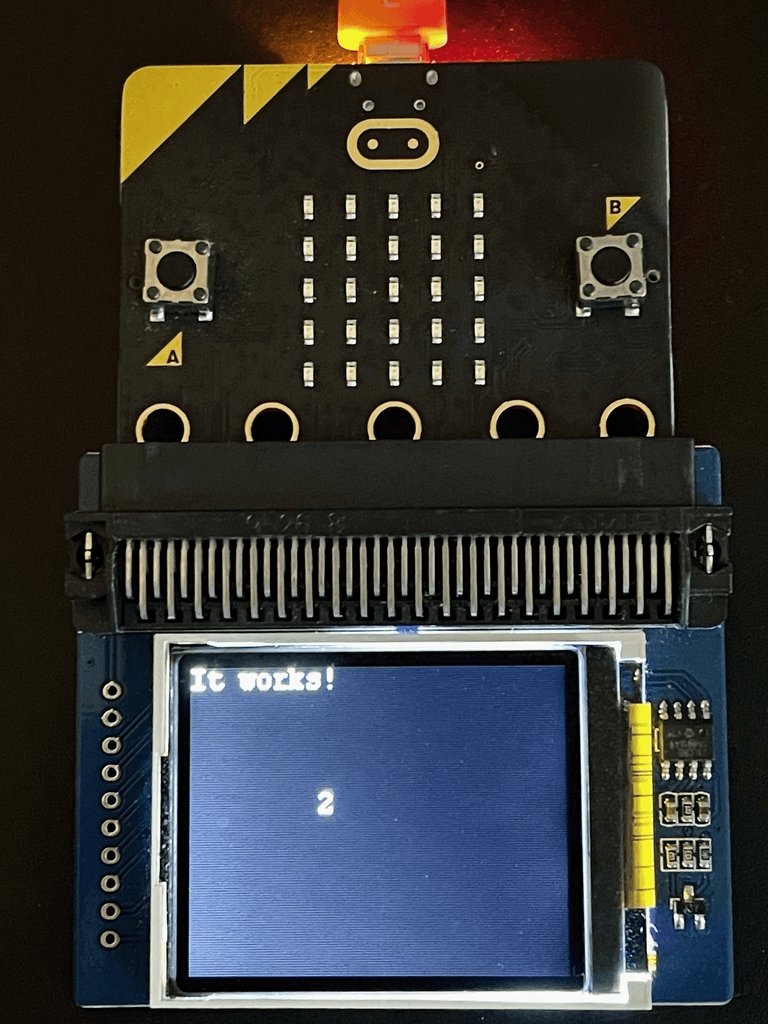
Getting Started with the Waveshare TFT Screen for micro:bit (MakeCode)
display micro:bit accessories microbit microbit accessories tft waveshare
Use MakeCode to Program the micro:bit with a TCS34725 Colour Sensor
ages 11+ BBC microbit BBC microbit v2 colour sensor makecode microbit microbit accessories microbit tutorials skittles sorting
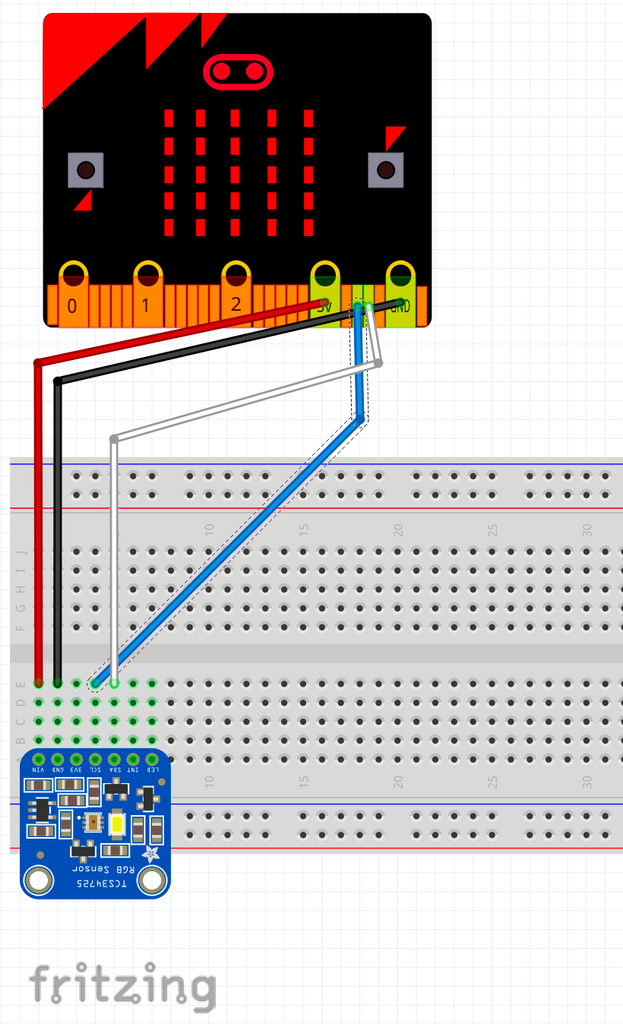
This tutorial shows how to program the TCS34725 sensor which can be found in the Pimoroni Enviro:bit, Adafruit RGB and Flora sensor boards. These sensor boards all use the I2C ('eye squared see') protocol to communicate - this leaves lots of pins free on your micro:bit for controlling servo motors, LEDs, and even other I2C devices so you can build larger projects e.g., colour sorting machines, or robots. In this project, you will learn: how to set up the set up the Adafruit TCS34725 sensor with the micro:bit v2.x and makecode You will need: a micro:bit v2.x a Kitronik edge...
Program and Build Your Own Traffic Lights
3d printing ages 11+ chibitronics Classroom coding digital technologies Laser LED LEDs logic programming traffic lights years 7 and 8
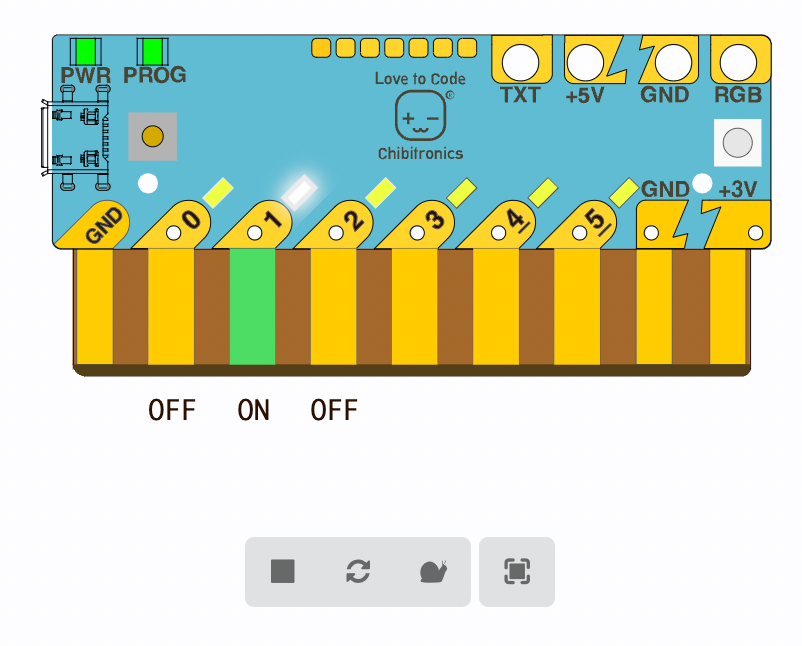
 This project uses visual block programming to model events in the logic of an Australian traffic light and scale this logic to make two traffic lights work in tandem. You can do this solely in a web browser, or push your code onto a Chibi Chip and use conductive tape to incorporate this with physical models designed from a variety of mediums including 3d printing or laser cutting.
Use Python to add Multiple Servos to Your Self-watering Plant
BBC micro:bit BBC microbit v2 micro:bit accessories microbit tutorials MicroPython mu editor radio tutorial
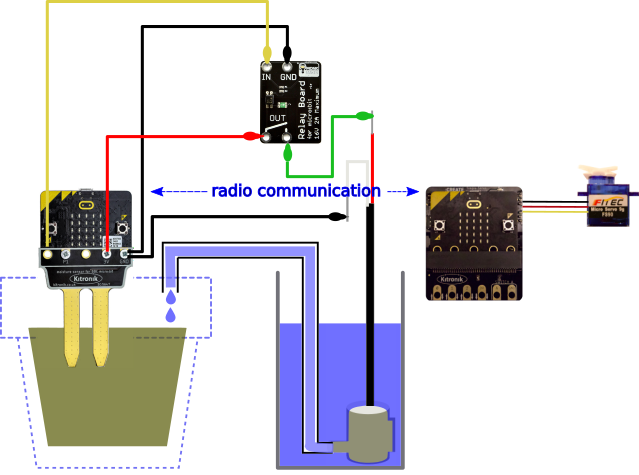
This project will let you add an servo motor controller to your self-watering micro:bit project. The servo can be used to raise a flag or some sort of sign to indicate the status of your plant, and can even be located a few metres away from your self-watering plant!
The project can be run as a group activity, with one person programming the first micro:bit and their lab partner programming the second micro:bit. Alternatively, one person could program both micro:bits by having separate code in tabs within mu or Thonny editors.
Program a micro:bit with Python to Control a Water Pump
BBC microbit Kitronik microbit plant microbit tutorials moisture sensor pump python soil moisture
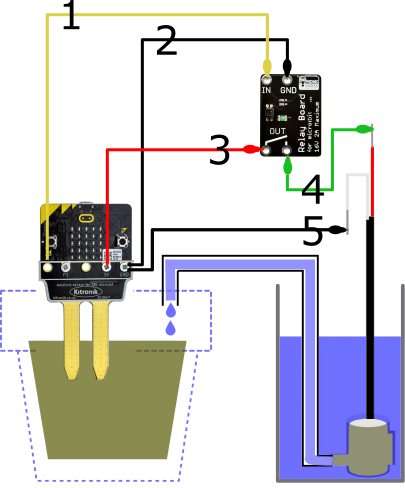
 In this project, you will learn:
- how a relay works;
- how to use code to control a relay to turn a water pump on and off; and
- how to automate the pump based on sensor readings.
You will need:
- To have completed our previous tutorial for calibrating a moisture sensor, with the following:
- a micro:bit, computer with mu editor Thonny editor, and microUSB cable for programming the micro:bit
- a moisture sensor
Additional hardware required for this tutorial:
- 1 x submersible pump and hose to fit
- 1 x MonkMakes relay
- 5 x crocodile leads to connect everything up
- 1 x old water bottle or similar container to hold water